3D Immersive Animation
Concept
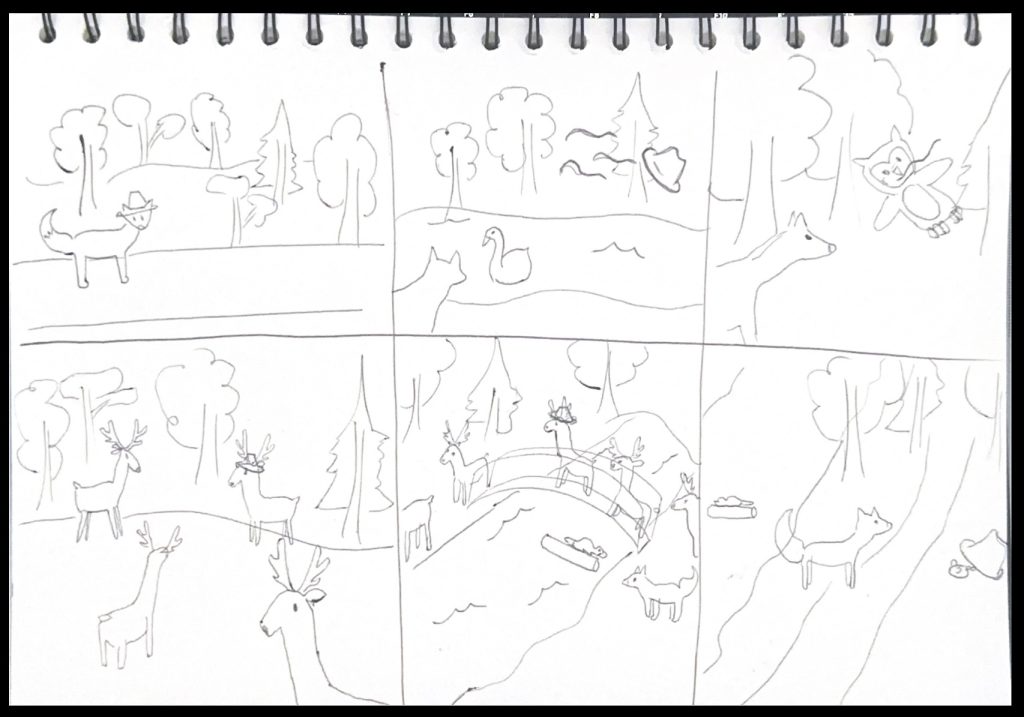
For this project, I wanted the main crux of the marketing to come from an immersive animation that conveys a narrative that is woven throughout the brand. Thorough research concluded that an audience can feel a deeper connection when a narrative or story is being used which can bridge the gap between the emotional mind to the physical world. It’s a fundamental part of being human and makes the information we engage with that more memorable. This is important to the brand as lessons and educational points are scattered throughout the reserve pertaining to the protection of species and giving them homes. Therefore if there’s any way to make that information more digestible it would be a good idea to utilise it.
For Tale Trek’s storyline I wanted to create a fluid narrative that guided the visitor through the trail. It would allow them to explore at their own pace but also show them in the right direction. This 3D animated storyline features on Tale Trek’s website but also be viewable in an augmented format at the site itself. You would view this via virtual headsets that overlay the 3D models and animatics onto the real life trail allowing your kids to immerse themselves in the characters genuine narrative arc.
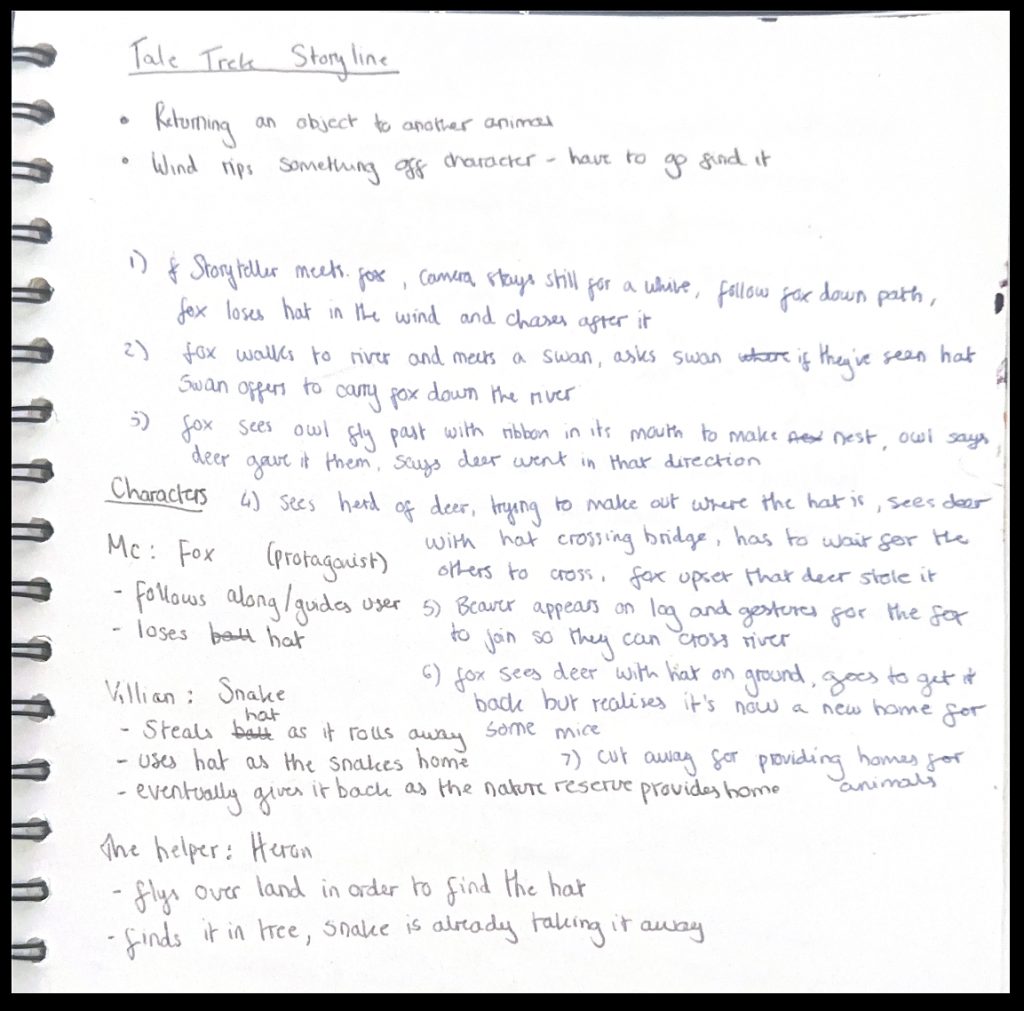
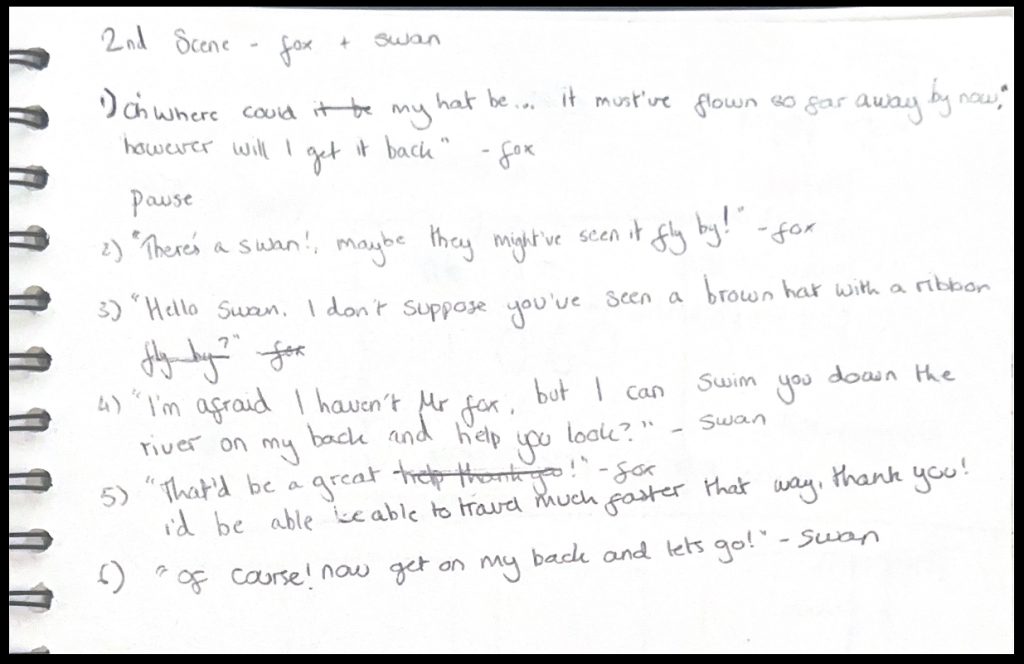
It begins by introducing the user (you) to the main character ‘Finn’ the fox. He walks alongside you at the beginning of the reserve before the disequilibrium hits and his hat flys off into the distance. You will then proceed to follow Finn on his journey to retrieving his hat, making and gaining support from friends along the way. He then stumbles upon a herd of deer where he sees one to be wearing his lost hat who he believes to be the villain in this story, he misconstrues the deers intentions before realising the deer was bringing the hat to a mouse who needs a home. The story teaches lessons of helping acquaintances in need, not judging a book by its cover and most importantly that every animal deserves a home.
I’ve chosen for there to be multiple characters that help the protagonist as it helps to drive the storyline forward. This is imperative the nature reserve because if the narrative was too slow/disjointed it wouldn’t guide the visitor effectively through the trail.
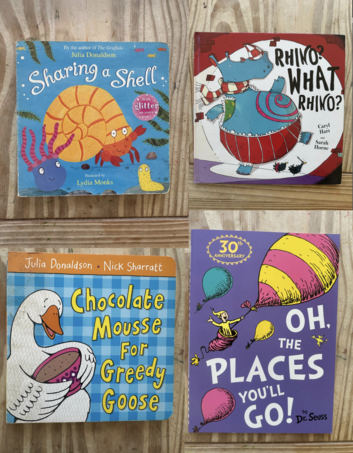
As I am not accustomed to creative writing and knowing how to develop an original storyline I conducted research on the general formats used within storytelling for children. I did this by understanding how narrative strands work and as well as the roles that different characters play and what their respective jobs are. This was aided by returning to old childhood books that I’ve kept at home from earlier years which gave me a good insight to the language used and the moral lessons that were subtly weaved into the stories.
3D Modelling & Character Design
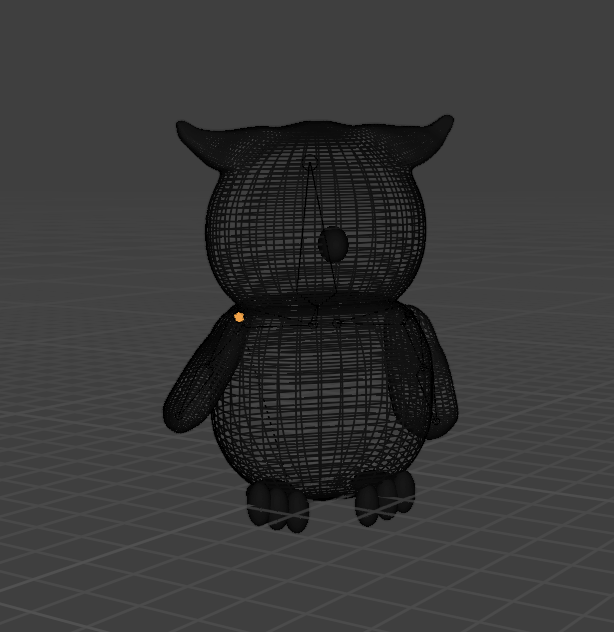
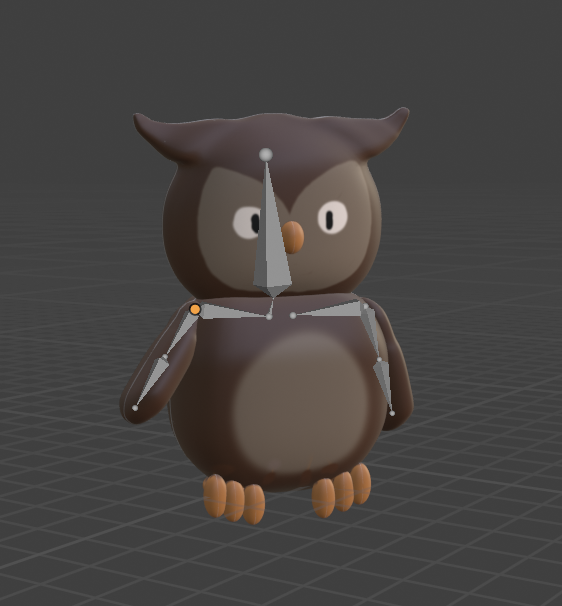
Once I had created the story it was time to design the 3D models that I would later animate. These models were incredibly time consuming as I had to factor in the actual shaping and refinements of the mesh, UV unwrapping, texture paint/shaders, the armatures and the animated walk cycle that would go along with it.
Before I started modelling I also had to decide what art style I was going to follow for each character to make sure they all looked cohesive and that they looked like they lived in the same universe to one another. If the art styles differed too much from each other the animation would look less unified and the brand identity wouldn’t be as strong. I experimented with different styles before landing on a simplistic one which combined the shapes of realistic animals along with cartoonish texturing to follow on the theme of real world and illustrative integration. I used a muted colour scheme similar to that of the brand identity’s palate with simple shading indicating the key features of each animal to make sure their species wasn’t lost in visual translation.
I drew inspiration from old childhood books of mine that utilise simple illustrations to depict animals in a stylised way.
For the fox I spent the longest time in total during the design process as I wanted to make sure the animation of the walk cycle was as clean and smooth looking as possible. This was due to the high number of appearances the fox would make meaning it’d be very obvious to the viewer if something was slightly off in the walk cycle. In order to make the walk look as natural as possible I had to animate each bone within the skeleton so that it moved in accordance with one another, e.g. when the front right knee was raised the left one was straightened and once I had the baseline for the walk cycle completed I would be able to insert and remove it wherever it was needed in the timeline. Although the process was time consuming this was a very beneficial step as it allowed me to freely manipulate how the fox walked and emoted depending on the characters current emotional state. Another key element to their design is the narrow black eyes which can be seen on each model.
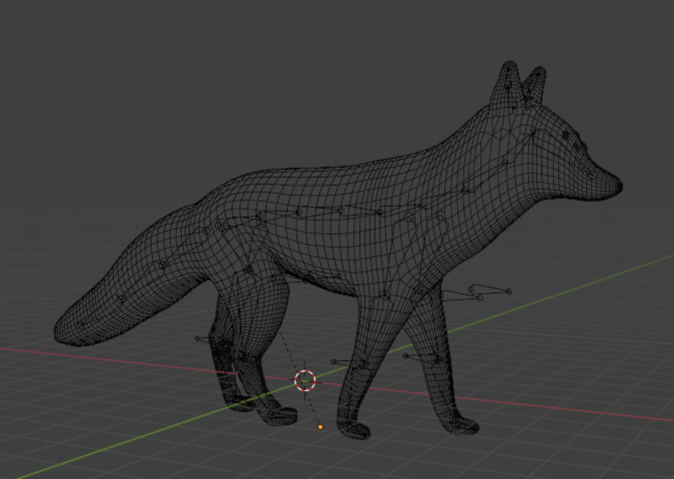
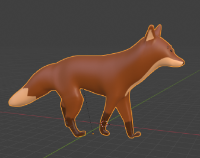
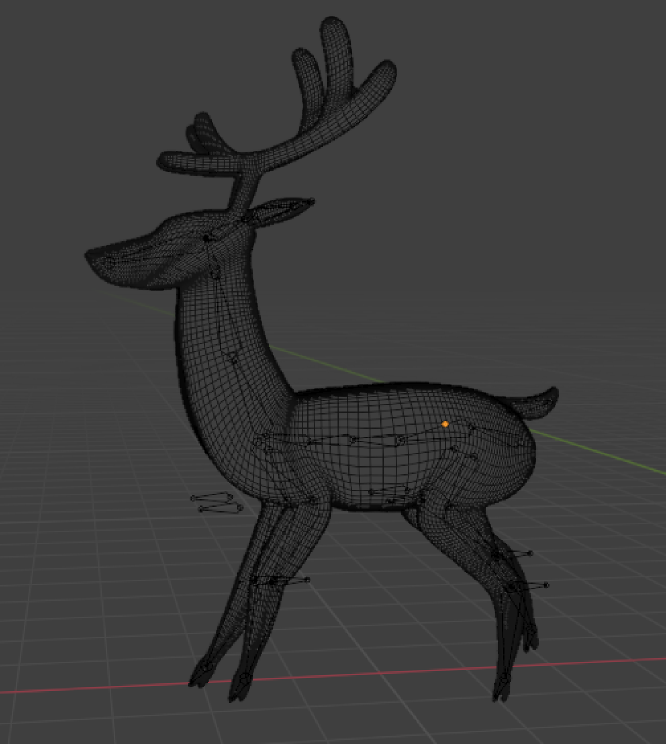
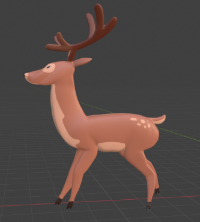
Out of all the animals the deer was the most similar, structurally wise, to the fox which meant I was able to use the same walk cycle and armature for the deer which was important as there is various scenes of the deer walking around. For the design I made sure to model antlers onto the head to ensure viewers couldn’t mistake it for another 4-legged animal as well as using the texture paint feature to include light brown dots to the rear end.
As the scene that the swan and beaver appears in doesn’t require any leg movement I was able to only have to add an armature onto the neck to indicate what direction they were both looking in.
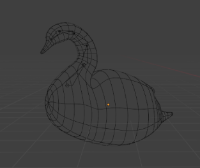
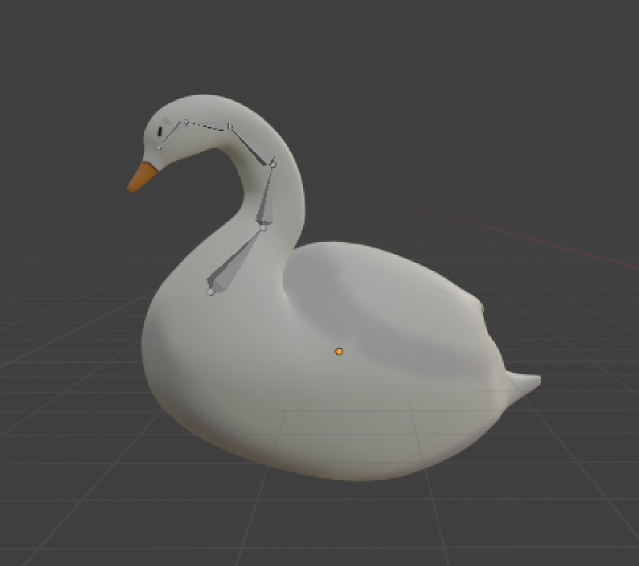
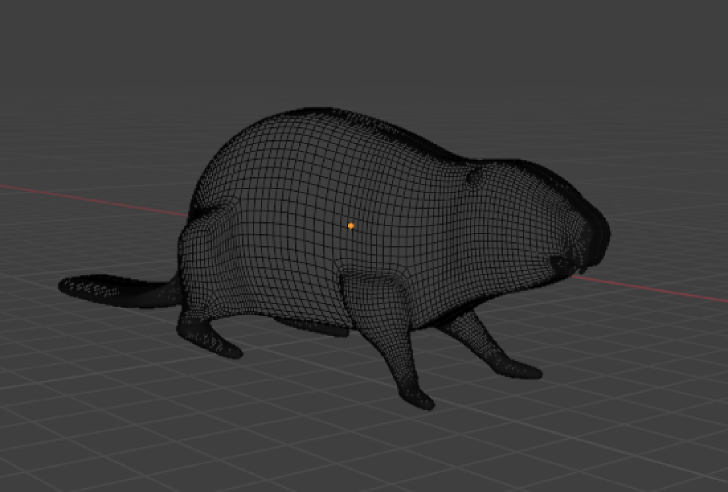
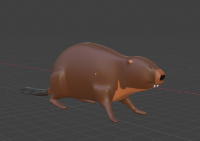
The owl was one of the most troubling to animate as it is the only model that spends time flying through the air. This proved issues when working with motion tracking as that didn’t take into account that the model would be flying faster than the typical characters speed.
Motion Tracking
For this animation to work and look successful it was imperative that I learnt how to motion track video sequences. Motion tracking is a visual effects method that allows for the integration of computer graphics into a real life scene. It does this in a way that scales and orientates the object accurately to make the viewer believe it’s actually supposed to be there. If I didn’t implement motion tracking then the models would never be oriented correctly and it would completely ruin the immersion.
To begin this process I had to first source the content I would use for the background videos. I travelled to the location where the nature reserve was going to be based and using a camera I took various videos walking along the trail. In these videos I made sure not to make any sudden movements as that’d impair the success levels when it came to motion tracking and I also took these videos based off of the sequence order in my storyboard and made sure that each scene flowed into the next. This was a problematic process due to the public nature of the trail meaning I had to make sure I didn’t accidentally include anyone else in the videos. I also colour graded the videos to make them look more vibrant and in tune with the Tale Trek branding.
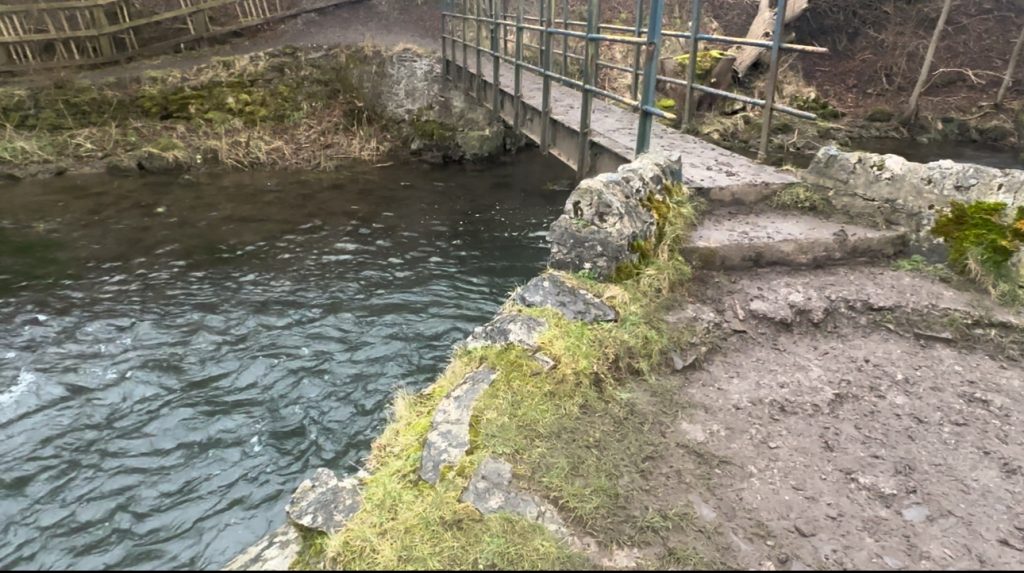
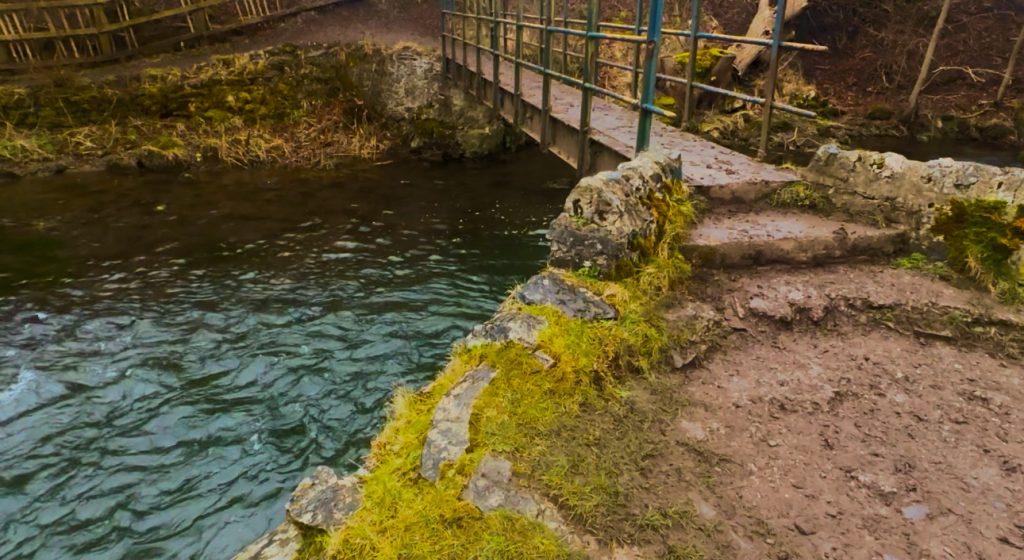
Now that I had sourced the video content I was able to start motion tracking. This process involved detecting marker features (areas of high contrast) and tracking them against the video. This was very tedious as I had to get the exact right amount of markers for the motion tracking to work without slowing down the software considerably.
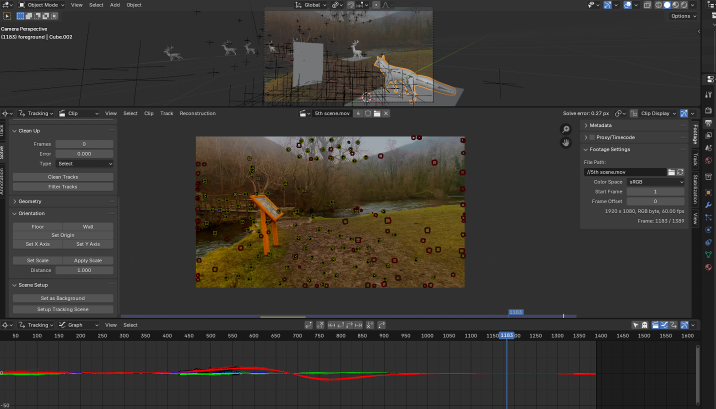
Before I went straight into the motion tracking process I tested the functionality of it on an older model to see if it was something I’d be able to achieve.
Lighting
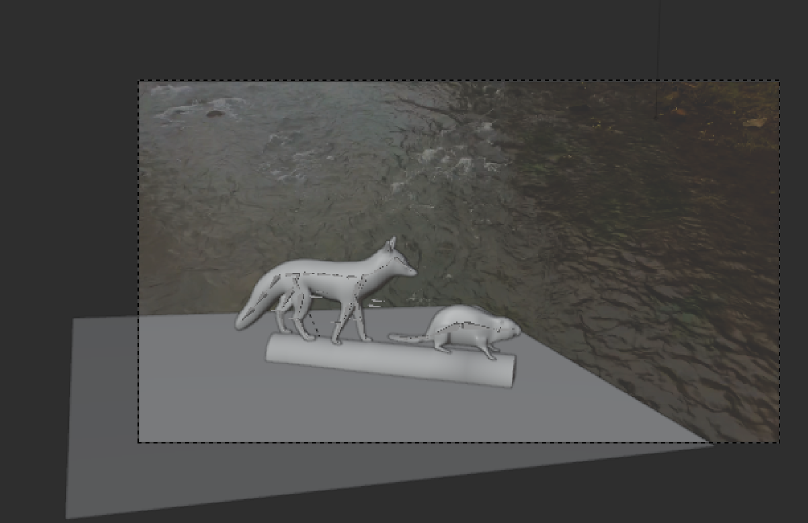
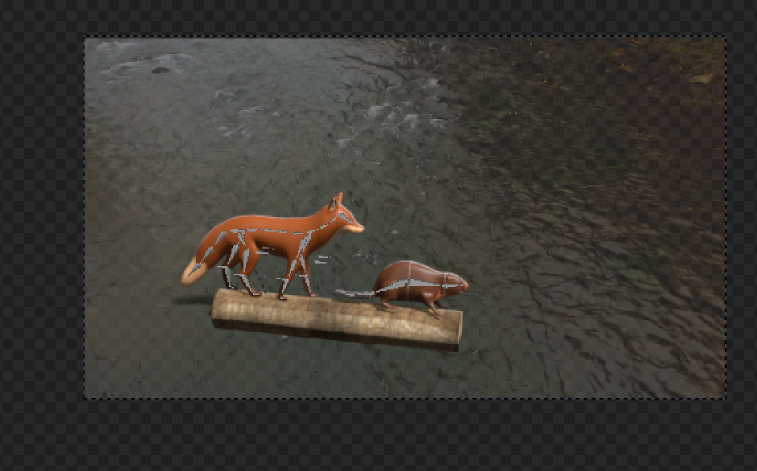
Another way I was able to make the motion tracking feel more immersive was through the use of lighting and shadows. I used a sun spotlight tool that blender offers to create the day time lighting that was reflected onto the models and used the exact same settings for each scene so it all looked cohesive. However, this didn’t automatically cast a shadow so I had to create a shadow catcher for each element that I key-framed to follow its respective subject. The 3D models casting shadows onto the real world background was a very important element to me as it heightened the immersion that much more.
Key-framing
On top of the motion tracking I still had to keyframe each individual movement the animals made in order for it to make sense within the scene. For example, I would tilt the fox’s head to the side in confusion or nod it up and down in agreement in order to give more visual cues to the viewer what the character is feeling within that moment. It also gave them more personality and made them come across as more likeable.
Sound Design and Speech
Sound design played a huge role in this animation, it would completely dictate the tone of the video and what message would have been portrayed to the audience. During the introduction and ending to the promotional animation I overlayed a happy and joyous melody that I thought reflected the feeling of a nice summers walk. As for the diegetic noise I wanted it to sound as close to life as possible so I went back to the same location and collected some audio recordings of the natural wildlife there.
I did use this recording as a part of my sound design however it didn’t have the depth that I was hoping for so I overlayed some stock audio clips of wildlife to build up the background noise slightly to appeal to its cartoonish style. I also implemented the sound of footsteps, river flowing and wind noises to further the immersion.
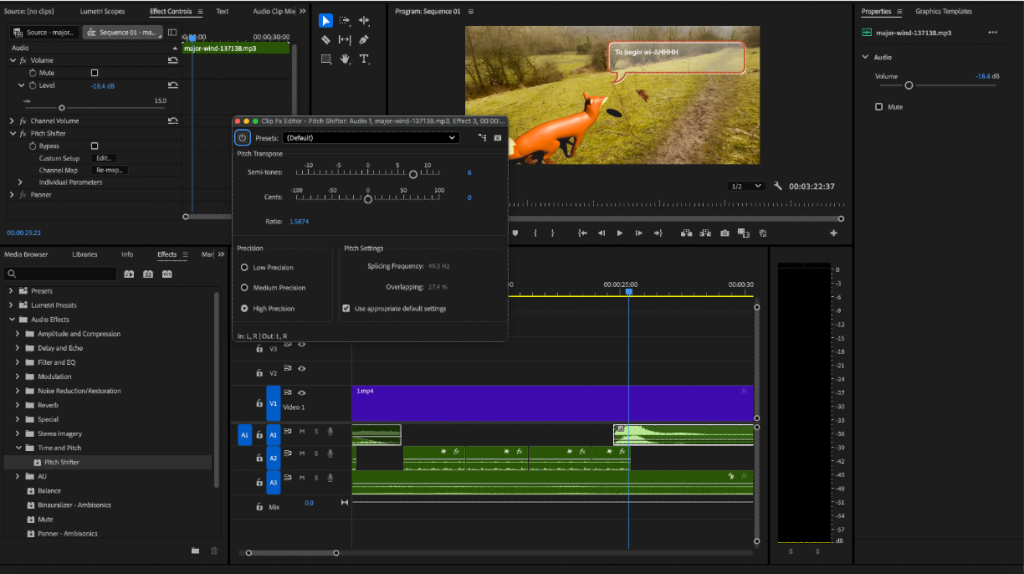
I believe the main appeal to Tale Trek’s sound design came from the gamified character voice over that I recorded using my own voice. I took inspiration from the spoken dialogue in animal crossing that utilises very high pitched sped up speech. It doesn’t allow the listener to hear what exact word is being said but adds a fun element to the characters implies intonation and what emotions they may be feeling. To achieve this I recorded my voice saying random letters and words which I spliced up to fit the sentence structure as well as pitching and speeding it up to further distort the noise. To compliment the gamified sound I included dialogue boxes so the viewer can read along.
Final 3D Animation
Audio References:
- Ahmed Abdulaal. (2025) footsteps sound effect. [Audio] Available at: https://pixabay.com/sound-effects/footsteps-sound-effect-337385/ [Accessed 10/04/25]
- snail legs (freesound). (2022) flapping. [Audio] Available at: https://pixabay.com/sound-effects/flapping-39306/ [Accessed 10/04/25]
- DavidSmith2024. (2024) Flowing Water. [Audio] Available at: https://pixabay.com/sound-effects/flowing-water-246403/ [Accessed 10/04/25]
- mario1298 (Freesound). (2022) a gentle breeze, wind 2. [Audio] Available at: https://pixabay.com/sound-effects/a-gentle-breeze-wind-2-76065/ [Accessed 10/04/25]
- SoundReality. (2023) Major Wind. [Audio] Available at: https://pixabay.com/sound-effects/major-wind-137138/ [Accessed 10/04/25]
- ALIENIGHTMARE. (2023) Animal walking right to left. [Audio] Available at: https://pixabay.com/sound-effects/animal-walking-right-to-left-192403/ [Accessed 10/04/25]
- CaganCelik (Freesound). (2022) Morning forest ambience. [Audio] Available at: https://pixabay.com/sound-effects/morning-forest-ambiance-17045/ [Accessed 10/04/25]
- Musinova. (2024) By The Lake (Solo Acoustic Guitar Folk). [Audio] Available at: https://pixabay.com/music/acoustic-group-by-the-lake-solo-acoustic-guitar-folk-276490/ [Accessed 10/04/25]