Research
Children’s book Illustrators
For this project there will be a heavy sense of nostalgia that is seen throughout the experience by gaining inspiration from famous children’s book illustrations. I will aim to achieve this as I believe this will target both younger children who will admire the fun drawings and animations as well as older parents who may unknowingly recognise the art style and equate that feeling to a warm, homely sense they remember from their childhoods. I will try to create unique animal mascots that can go along with the brands identity that will guide the children and their families through the narrative.
I believe the overall look to these characters will be very important to the child’s engagement with the activity so I must ensure the drawings look dynamic and fun whilst also still being accurate to their respective species. By doing this the child could form a connection with said character and will be more susceptible to learning facts that they will teach them along the way.
Axel Scheffler
Axel Scheffler is one of the most highly regarded illustrators who has attained many award-winning works through his time from working on classic, well-loved children’s books. He is most notable for his design work where he collaborated with Julia Donaldson who wrote story books such as ‘The Gruffalo’ and ‘A Squash and a Squeeze’. His classic art style that stays consistent throughout a great majority of his work is what makes the artwork so memorable and has been shown to be a great gate-way book in young children’s development.
“When children hear The Gruffalo being read out loud at nursery or at school, the rhythm and rhyme sound so enticing, and the illustrations are so funny and fabulous.” (BookTrust, Drabble. 2024)
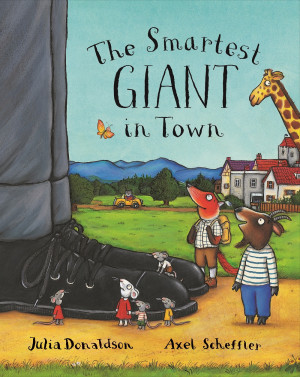
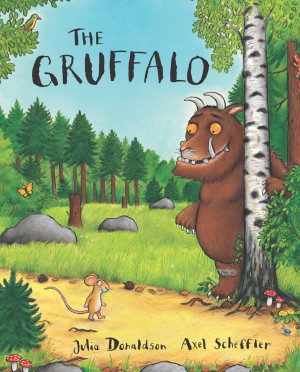
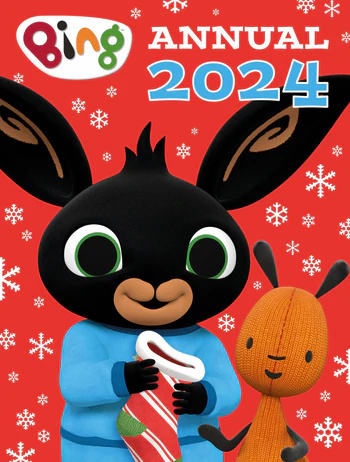
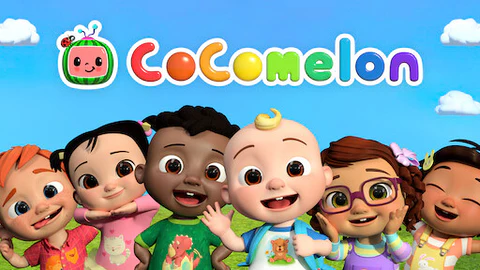
I felt drawn to his work not only from a sense of nostalgia but the unique way he is able to give life to the characters through their cartoonish eyes and anthropomorphised design. Despite this all the animals have a sense of realism to them compared to current children books/entertainment where the characters are more often 3D models or seem much more simplistic. I also felt encouraged by Scheffler’s work as a lot of his own inspiration came from his current life and nature that surrounds him which I wish to apply to my own nature reserve. I also believe that by applying his techniques into my own characters they will have potential to look effective overlayed onto real life images.
Quentin Blake
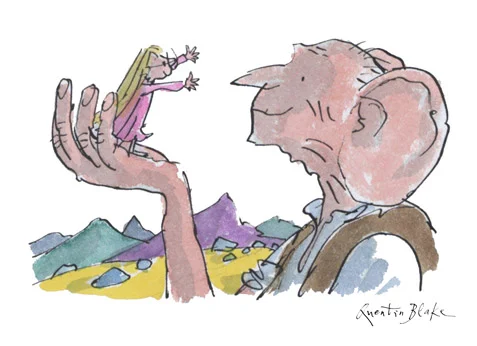
Quentin Blake is another world renowned England-based children’s book illustrator and author who has illustrated more than 300 books in his life. He is known most famously for his collaborations with Roald Dahl and David Williams that has brought many well-loved characters to life all which have had a great impact on British culture with his illustrations donning masses of merchandise all over the country.
Two franchises that he may be most notable for would be ‘The BFG’ and ‘Charlie and the Chocolate Factory’ in which Blake has said how Dahl had broke typical commission conventions by continuously asking for more and more artwork to be used in his books, proving the effectiveness of his art style. His illustrations were often very bizarre and fantastical which paired well with the sometimes dark nature of Roald Dahl’s stories.
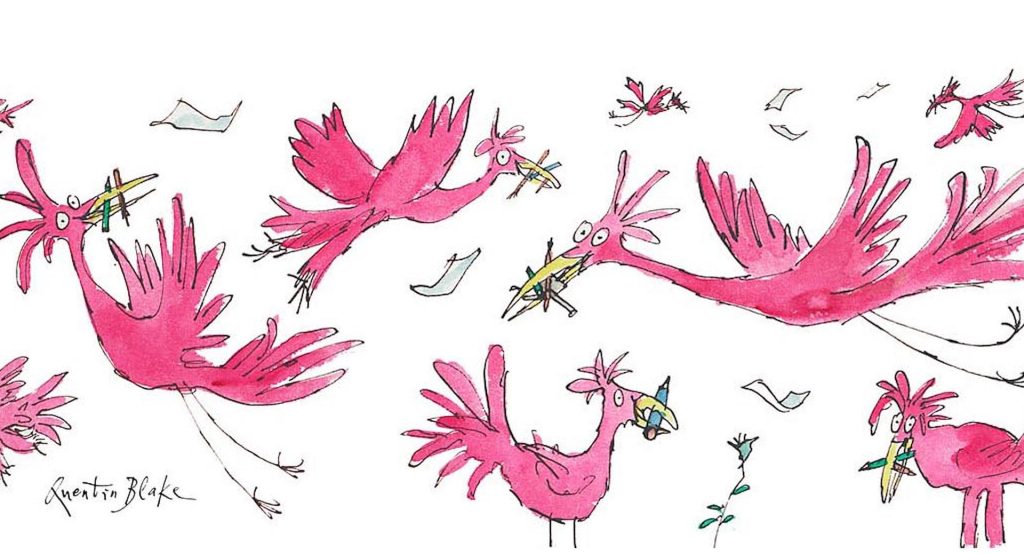
Blake’s work is charactertiatc of his carefree, easy-going mood and is very palatable to younger audiences. His art primarily sticks to the use of very rough lines using a chicken scratching-esque style to create charming characters. Although the drawings are fairly simple the combination of simple line work and water colour painting creates a dynamic pairing that’s pleasing on the eye. I personally enjoy the care-free nature of art without thinking too hard where each line should go and I think this mindset would bode well with the nature reserves brand identity and mission.
Nature Reserves
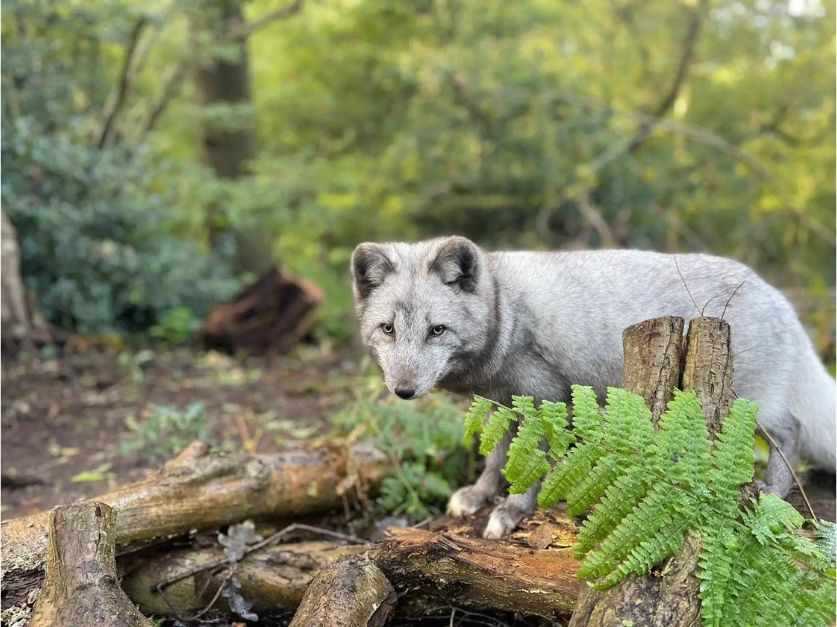
For this Project I will need to have an understanding on how nature reserves/outdoor trails work in real life; how do they incorporate visitor interaction and how do they leave a lasting impression. Most National Nature Reserves (NRRs) within the UK are free to access as they focus on the protection of wild species as well as being outdoor research centres where learning, science and discovery come together. By making them accessible to the general public it encourages the visitors to connect with wildlife and natural landscapes which in turn protects and funds the conservations research.
Strathspey Storywalks
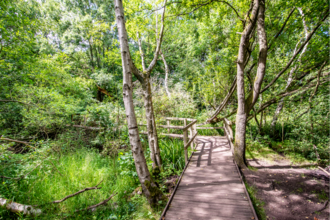
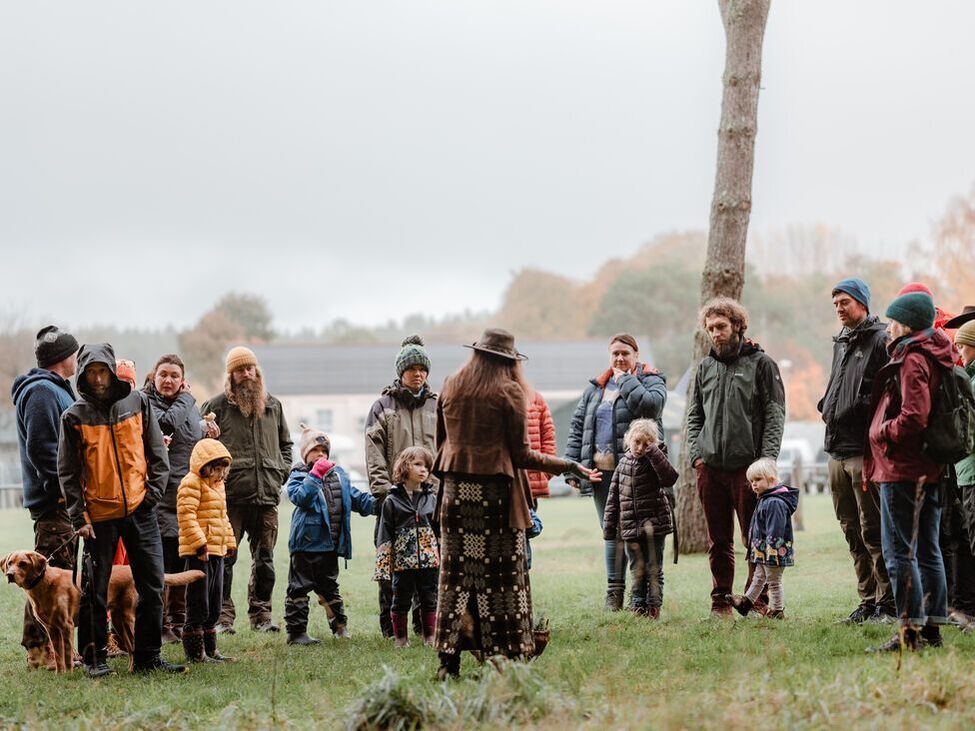
Strathspey Storywalks is located in Cairngorms National Park and is an establishment created in 2020. It allows visitors to wonder through woods and along trails all whilst following along stories that involve anything from kings and fairy folk to local culture and history. Similarly I wish to incorporate narratives into my nature reserve in ways that they have done with the story unfolding as the walk continues, however this foundation seems to be more targeted towards adults as the story lines seem more intricate. I will instead make my own storyline very simple and easy to follow along to encourage children to partake.
Considerations:
Conservation goals –
My reserve won’t be location specific, however the species that’ll be protected are ones that can be commonly found in conservation groups across the UK in order for it to make sense. This means species such as: badgers, foxes, all breeding birds, deer, otters, grass snakes that are classed as protected animals will be a part of the reserve. However that doesn’t mean other animals that aren’t protected won’t be featured within the narrative walks. As far as their habitat goes it will be one continuous walk that goes through a woodland terrain and diverges path depending on the choices you make.
Size –
I will design the nature reserve with the idea that it’ll span around 6-8 hectares in order for the visitor to 1) Have a decent length walk and 2) be able to see as many species in the time it takes to walk the trail. This way it’ll be long enough for the terrain to slowly shift from heavy tree-tops to open fields as well as small lakes/waterfalls.
Visitor Experience –
I will need to make sure that the trails in this reserve don’t go directly into different species habitats but are able to diverge around them in a way that doesn’t limit the visitor from walking wherever they want completely.
Creating an Effective Narrative
In order to create my narrative that’ll be interwoven throughout the trail I need to have a set few characters who the children can gain a one-sided relationship with and feel a bond, whether that’s through the screen in the reserves trailer, or in person scanning the AR codes. To create these characters I will refer to Propps theory on 8 character roles. His theory states that within mainstream media there will always be a set of characters that follow the same stereotypes in order to push the narrative along and allow the audience to follow with ease. These characters include the hero, the villain, false hero, the princess, her father, the donor, the dispatcher and the helper. All of these may come into play in typical narratives and will help create a baseline for me when I’m deciding my own storyline.
It is also commonly seen that children’s books often come with a moral lesson that is taught to the reader throughout the course of the book. It is important to research and learn how to implement these effectively in a way that won’t force the reader to learn these moral lessons.
“The key here is to make your point without going too preachy or didactic. Nothing can turn children off faster than a lecture, or worse, a moral lesson.” (Brigham, Knott. 2018)
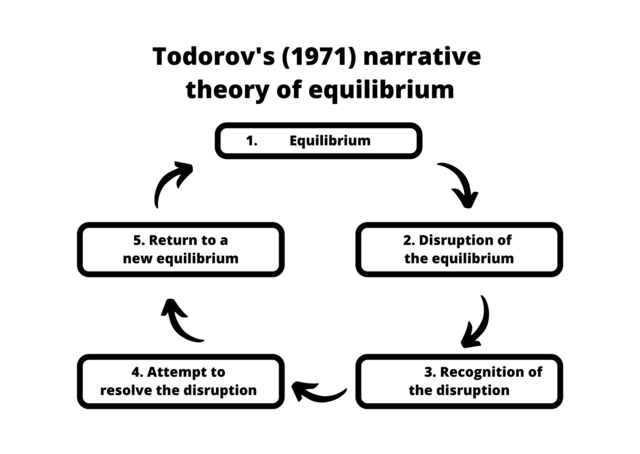
It is very easy to become overtly moralising when trying to add lessons within storylines. Children can often recognise the tone of language being used and equate it to a lecture their parents told them when they did something wrong. In order to avoid this in my project I will have to keep the lessons simple, create vibrant characters who the visitor will enjoy and show how they’ve developed over the course of the story and changed slightly in the new equilibrium.
References:
- Scheffler, A. (2024) Who is he? [Webpage] Available at: https://axelscheffler.com/who-is-he [Accessed 06/11/24]
- Scheffler, A. (2024) Books. [Photos] Available at: https://axelscheffler.com/books [Accessed 06/11/24]
- Drabble, J. (2024) Getting children reading the Gruffalo effect. [Quote] Available at: https://www.booktrust.org.uk/news-and-features/features/2024/march/getting-children-reading-the-gruffalo-effect/ [Accessed 06/11/24]
- Harper Collins Publishers. (2023) Bing Annual 2024 (Bing). [Photo] Available at: https://harpercollins.co.uk/products/bing-annual-2024-bing?variant=40185632948302 [Accessed 06/11/24]
- Lowe, K. (2022) Meet the Characters of Cocomelon! [Photo] Available at: https://www.vanillaunderground.com/blogs/news/meet-the-characters-of-cocomelon [Accessed 06/11/24]
- Artnet. (2024) Quentin Blake’s Roald Dahl Illustrations Get Museum Show. [Photo] Available at: https://news.artnet.com/art-world/quentin-blakes-roald-dahl-illustrations-get-museum-show-61126 [Accessed 06/11/24]
- Espila, J. (2021) quentin blake’s magic stroke. [Photo] Available at: https://www.dondedore.com/en/quentin-blakes-magic-stroke [Accessed 06/11/24]
- Natural England. (2009) National Nature Reserves in England. [Webpage] Available at: https://www.gov.uk/government/collections/national-nature-reserves-in-england#:~:text=National%20Nature%20Reserves%20(%20NNRs%20)%20were,’outdoor%20laboratories’%20for%20research. [Accessed 06/11/24]
- Birmingham and Black Country Wildlife Trust. (2024) Our Nature Reserves. [Photo] Available at: https://www.bbcwildlife.org.uk/naturereserves [Accessed 06/11/24]
- Visit Suffolk. (2021) Jimmy’s Farm and Wildlife Park. [Photo] Available at: https://www.visitsuffolk.com/attraction_activity/jimmys-farm [Accessed 06/11/24]
- Strathspey Storywalks. (2020) Strathspey Storywalks. [Photo] [Webpage] Available at: https://www.storywalks.scot [Accessed 06/11/24]
- Revision World. (2019) Narrative Theorists. [Webpage] Available at: https://revisionworld.com/a2-level-level-revision/media-studies-level-revision/key-media-studies-theorists/narrative-theorists [Accessed 08/11/24]
- Kole, M. (2022) Writing Children’s Books with Moral Lessons. [Webpage] Available at: https://kidlit.com/childrens-books-with-moral-lessons/#:~:text=The%20best%20way%20to%20write,should%20never%20be%20blatantly%20expressed. [Accessed 08/11/24]
- Elspeth. (2018) ON MORALS IN CHILDREN’S BOOKS. [Quote] Available at: https://terrysbookobsession.wordpress.com/2018/06/12/on-morals-in-childrens-books/ [Accessed 08/11/24]
- Todorov, T. (1971) Todorov’s narrative theory of equilibrium. [Photo] Available at: https://en.wikipedia.org/wiki/Todorov%27s_narrative_theory_of_equilibrium [Accessed 08/11/24]