VR Immersive Art
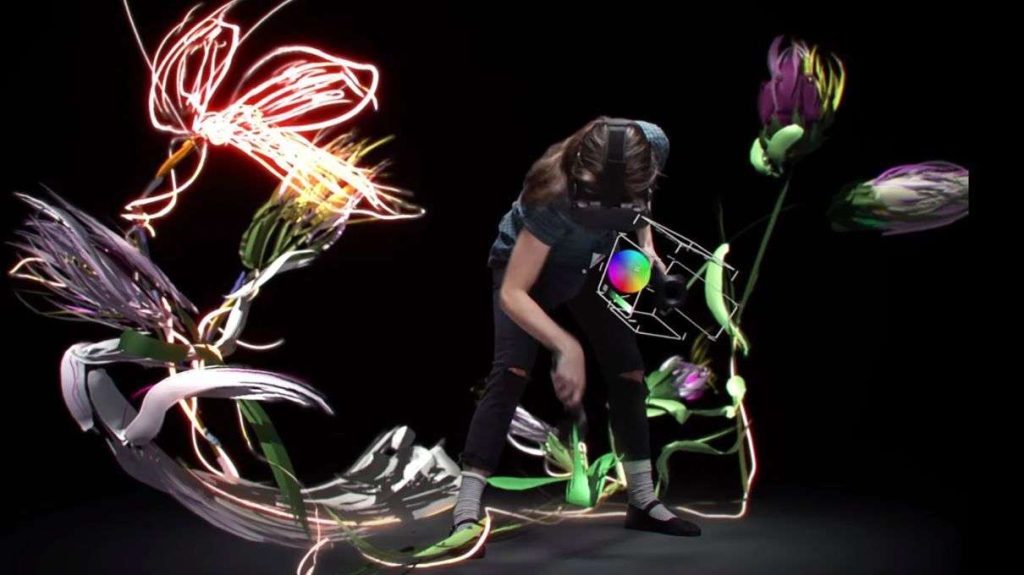
Immersive art is completely different from any other forms of art. It completely absorbs the viewer in a virtual reality landscape that not only creates a full-body experience but also transports them to a brand new environment. The innovative use of 3D headsets and controllers to create artwork has allowed artists to branch out into new mediums and expand their limit of creativity.
Although the use immersive art being produced through the use of a headset is relatively new, this art form dates back to as early as the 60s where artists have taken advantage of real-world spaces in order to create these mesmerising experiences. An example of this being an artist named Yayoi Kusum who is known in the artist world for pioneering the craft of immersive performances and installations. Through her art she tells the story of how she hallucinated a field of flowers that talked to her as a young girl and lets this experience influence her later work. Although she doesn’t utilise VR headsets she uses the same immersive mediums to transport the viewer to another world.
The interactive nature of VR art changes the viewers persepctive from that of casually viewing a static image to that of walking around and being able to see the creations from all angles and in more advanced cases be able to touch and smell the exhibition as well. From the higher levels of interactivity people who may be more bored/less interested with the traditional art medium might find enjoyment of being inside the art almost to the point that you’re a part of the piece as well.
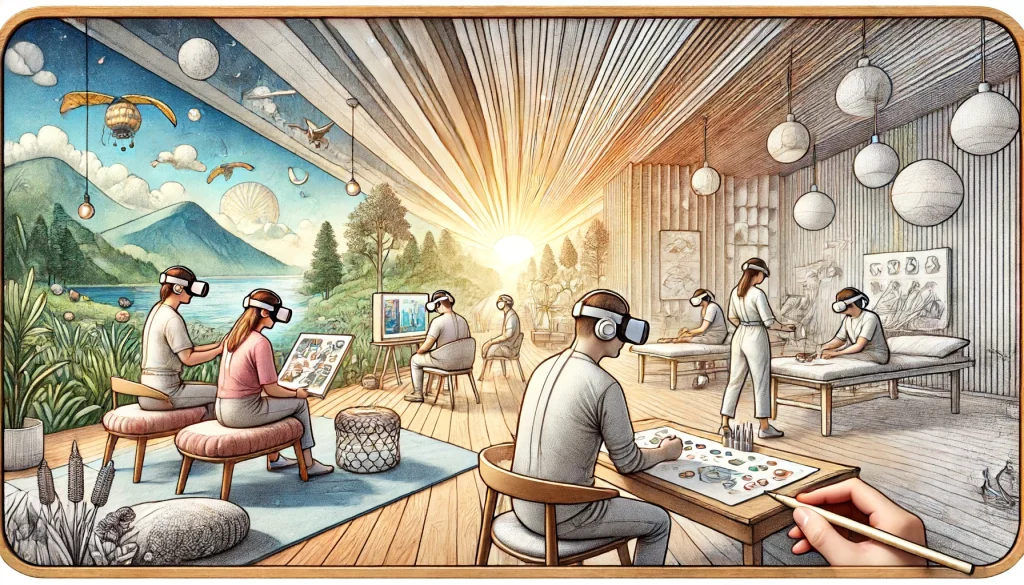
Virtual art has also proven to not only be a transformative art form but also an effective form of therapy. Within this form of therapy the patient can be shifted into the 3D world by wearing the headset and become a part of their own work physically. The outside world can be completely obscurred and all senses are now directed towards creating or viewing art with all distractions from the real world being shut out. I wish to use these techniques in my emerging tech project and attempt to simulate an experience which leads to similar calming effects.
Applications
ShapesXR:
ShapesXR is a creation and collaboration platform for XR content and experiences in the metaverse. It makes the prototyping process easier and is less focused on the free-flowing drawing styles other software offers. It mainly allows for co-creation amongst people that have joined the same environment as well as presenting your ideas.
OpenBrush:
OpenBrush is a lot more free flowing and allows you to draw into the VR environment straight from ideation with a completely open and versatile canvas. It offers lots of brush types and strokes similar to those that are used in 2D software packages making it easier to become accustomed to. I’ll most likely use OpenBrush within my own project due to the creativity it allows the user
Adobe Substance 3D Modeler:
As opposed the previous two, 3D modeller is an app that combines both VR and desktop to create a more natural approach to the 3D modelling experience. It is free from technical constraints and allows you to sculpt and model without having to worry about sub-division levels or polycount making it accessible to beginners. There are also a wide variety of pre-existing 3d models you can sculpt on top of.
OpenBrush Practice
For the VR art workshop we joined together into a big group and researched OpenBrush as an application to see what purpose it was designed for. As opposed to other VR applications we learnt it was much more free-form which I liked the idea of as there were no constraints to what we could produce. We quickly understood how to create basic lines within the 3D virtual room and explored the different line and colour settings to see what was possible for us to create.
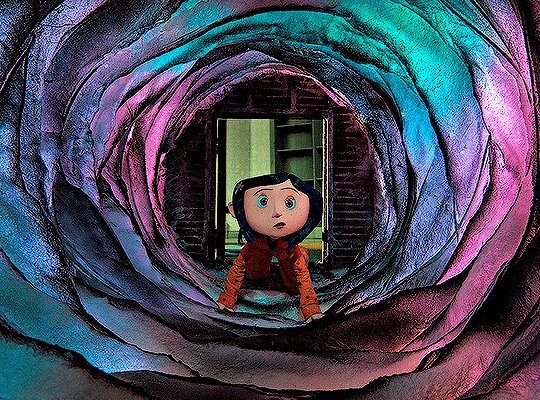
Ashley suggested we try and replicate a famous scene from the movie Coraline which I believe was a good starting point for our group as it only required very simple circles to be drawn to create the tunnel effect. I think the image inspiration itself lends itself quite well to the world of virtual reality art due to clear foreground and background that can be seen. This helps as you can physically walk through the tunnel and see each line in more detail. Through our brief task I got a feel for how much would be possible to create and inspired me for my own project.
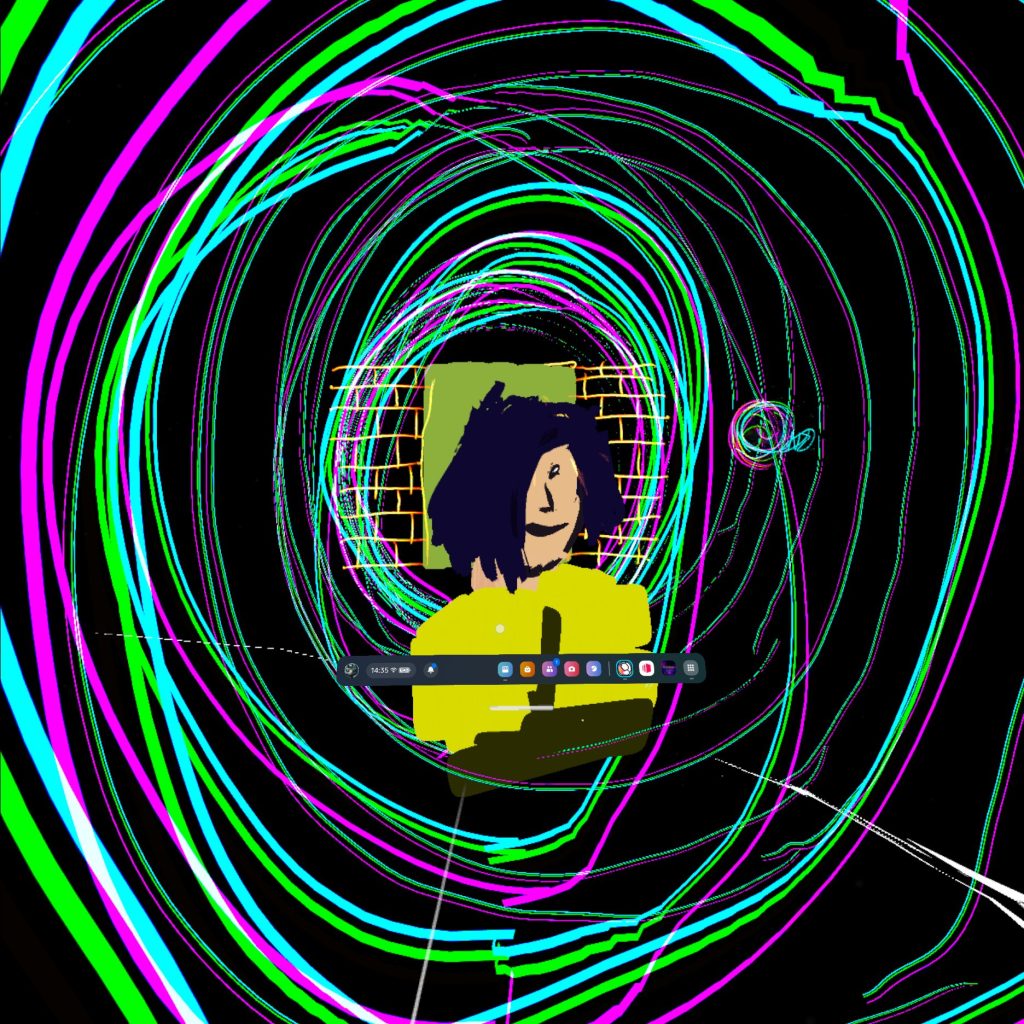
Video of our group taking turns and adding to the drawing.
Next we experimented with background options and went with a space landscape which we could further develop by adding our own unique elements. This was fun to experiment with bigger brush tools that would allow me to sculpt the head and body of an alien as well as a star tool which made it easy to add stars wherever you wished.
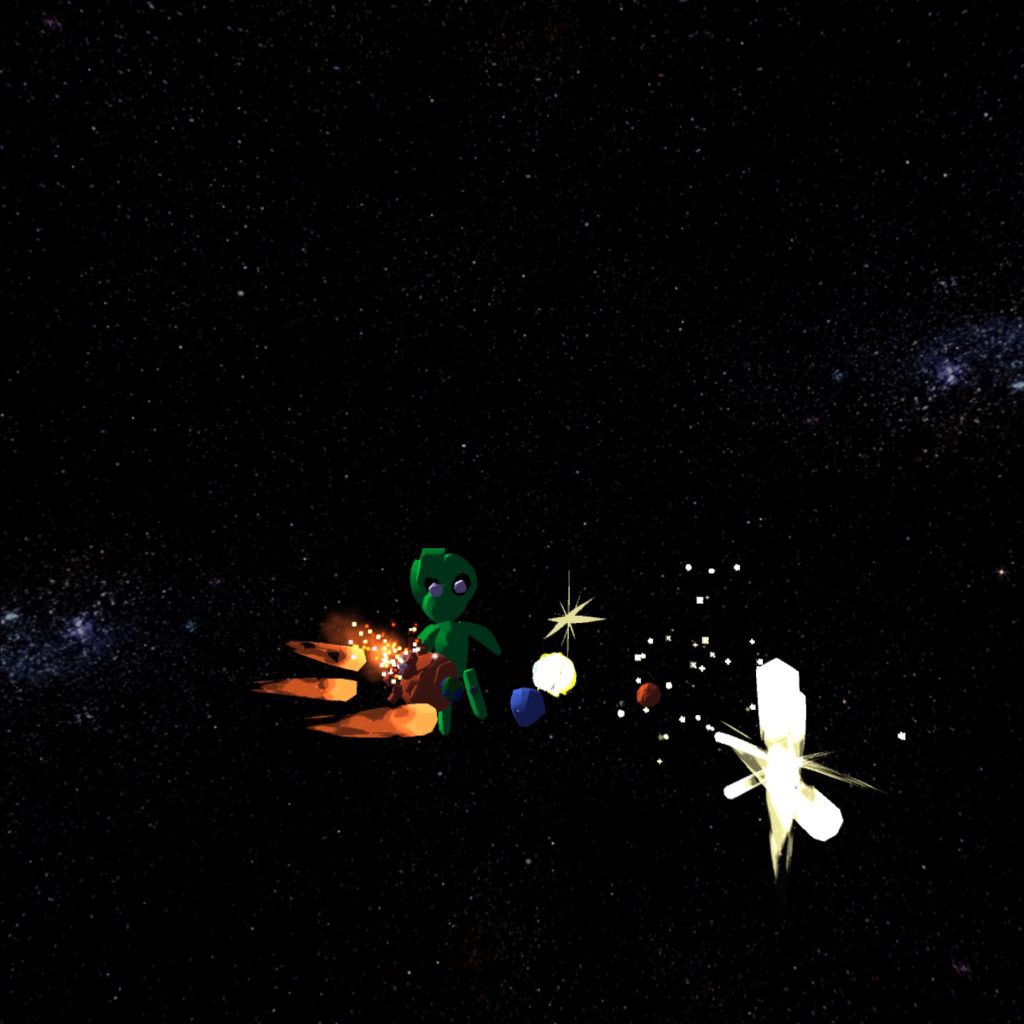
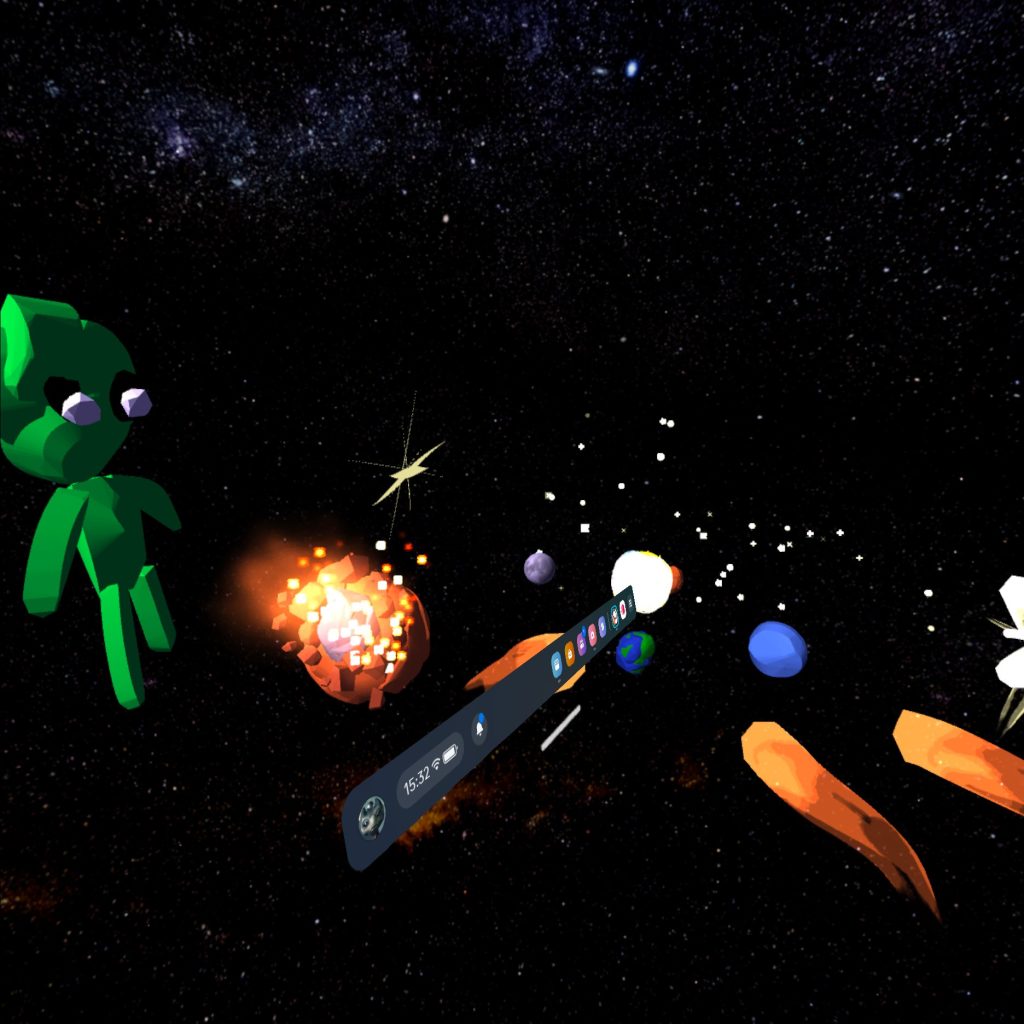
Images of our groups second trial run with the software
References:
- Roberts, S. (2021) What is Immersive Art?. [Webpage] Available at: https://agoradigital.art/blog-what-is-immersive-art/ [Accessed 26/10/24]
- The Seattle Times. (2017) Experience “Yayoi Kusama: Infinity Mirrors” in 360 degree virtual reality. [Video] Available at: https://www.youtube.com/watch?v=V3awpreLlxg [Accessed 27/10/24]
- TATE. (2019) WHO IS YAYOI KUSAMA?. [Webpage] Available at: https://www.tate.org.uk/kids/explore/who-is/who-yayoi-kusama [Accessed 27/10/24]
- Viar. (2024) Creating art in Virtual Reality. [Photo] Available at: https://www.viar360.com/creating-art-in-virtual-reality/ [Accessed 27/10/24]
- Artmaster. (2024) How VR Enhances Art Therapy. [Photo] Available at: https://artificialpaintings.com/blog/2024/06/18/how-vr-enhances-art-therapy/ [Accessed 27/10/24]